
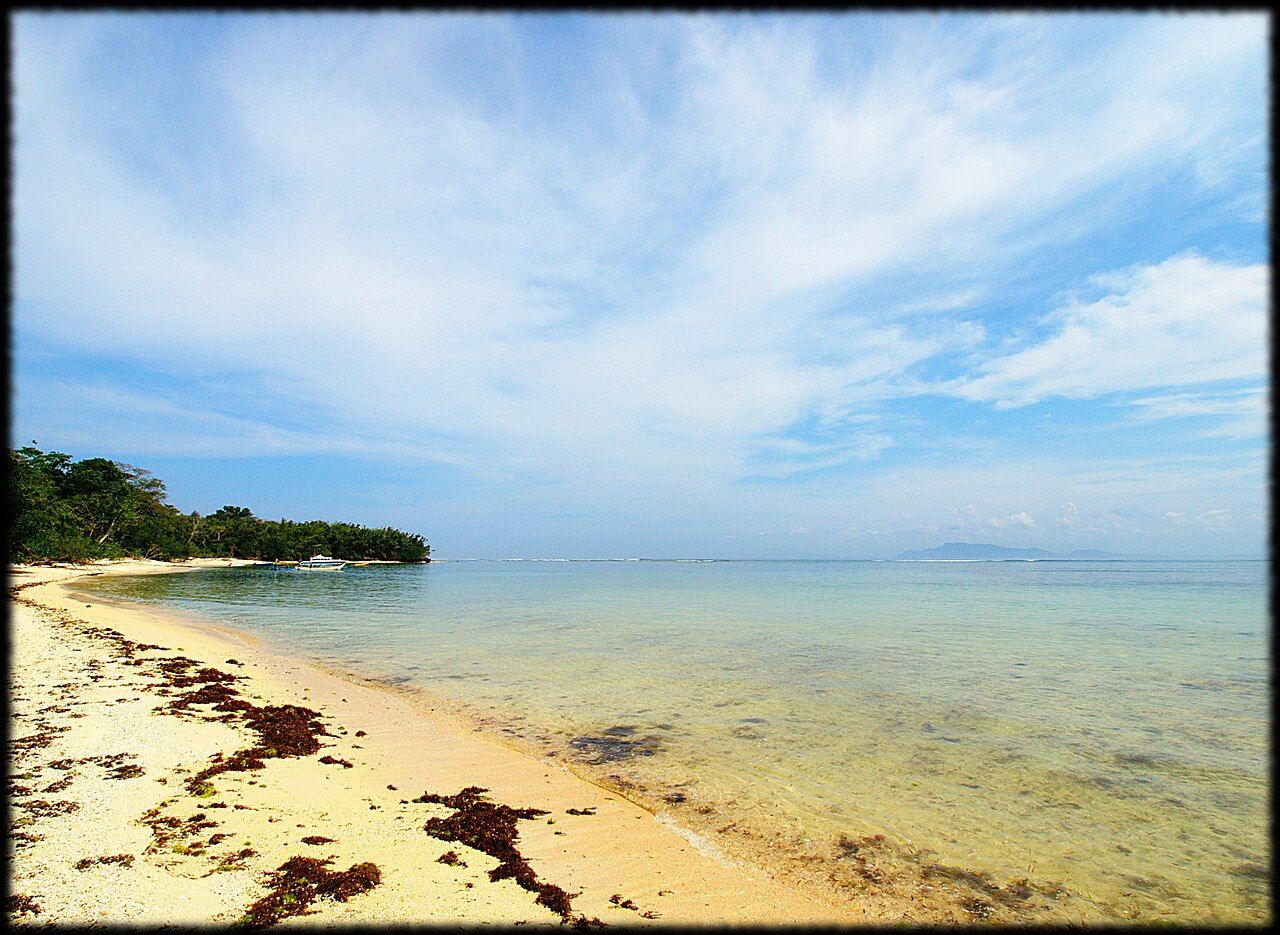
At the southeastern tip of Java, a broad peninsula pushes out into the Indian Ocean. Most of it is covered by Alas Purwo National Park, a large area of lowland forest, savanna, mangroves and beaches that is among the least developed corners of the island. It is known for two quite different things: a long, powerful wave at Plengkung that draws experienced surfers from around the world, and a reputation as one of Java's oldest and most spiritually significant forests.
The first forest
The park's name is usually translated from Javanese as the first or ancient forest, and local belief holds that it is where the land of Java began. The forest has long been associated with spiritual retreats and meditation. Several caves inside the park are visited by pilgrims, and people still come to meditate in them, especially at significant times in the Javanese calendar.
Near the park entrance stands a Hindu temple, Pura Luhur Giri Salaka, which draws worshippers from the Hindu communities of the region and from Bali across the strait. If you visit it, dress modestly, follow any instructions about entering, and remember that it is a working place of worship.
Stories about the forest are many and varied, from tales of spirits to legends of ancient kingdoms. Treat them with respect. For many people in the area, they are not folklore but belief.
Wildlife and the savanna at Sadengan
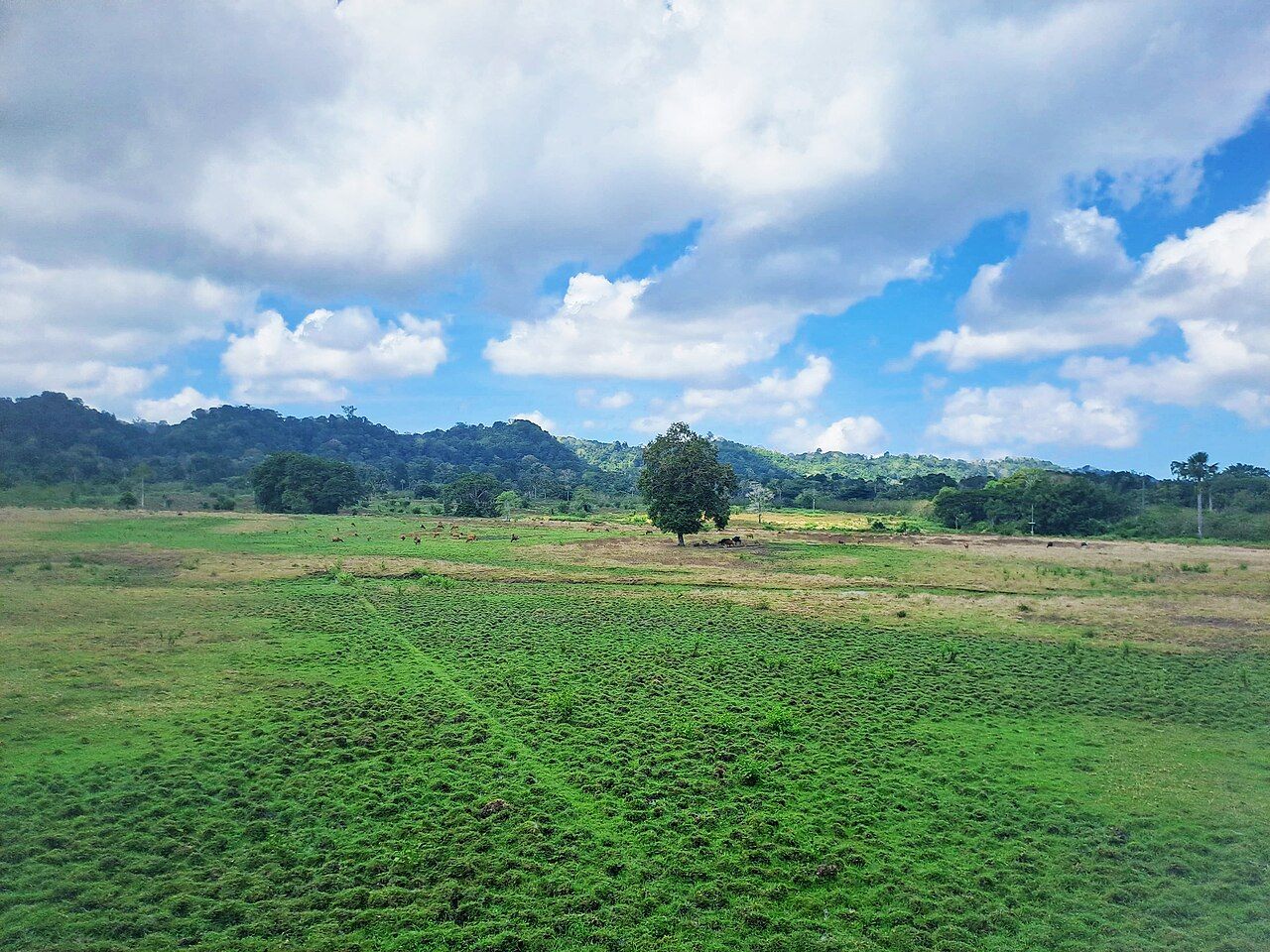
Alas Purwo protects a wide range of wildlife. The most accessible place to see it is Sadengan, an open grazing area not far from the park entrance, with a watchtower overlooking the grass. Banteng, the wild cattle of Southeast Asia, come out to graze here, especially in the early morning and late afternoon, along with deer and peafowl.
The forest itself is home to long-tailed macaques, ebony leaf monkeys, wild boar and many birds. Leopards and dholes are recorded but rarely seen. On the beaches, several species of sea turtle come ashore to nest, and the park has run a turtle conservation programme at one of its beaches. Whether visitors can see turtles or hatchlings depends on the season and the arrangements at the time, so ask locally.
The beaches
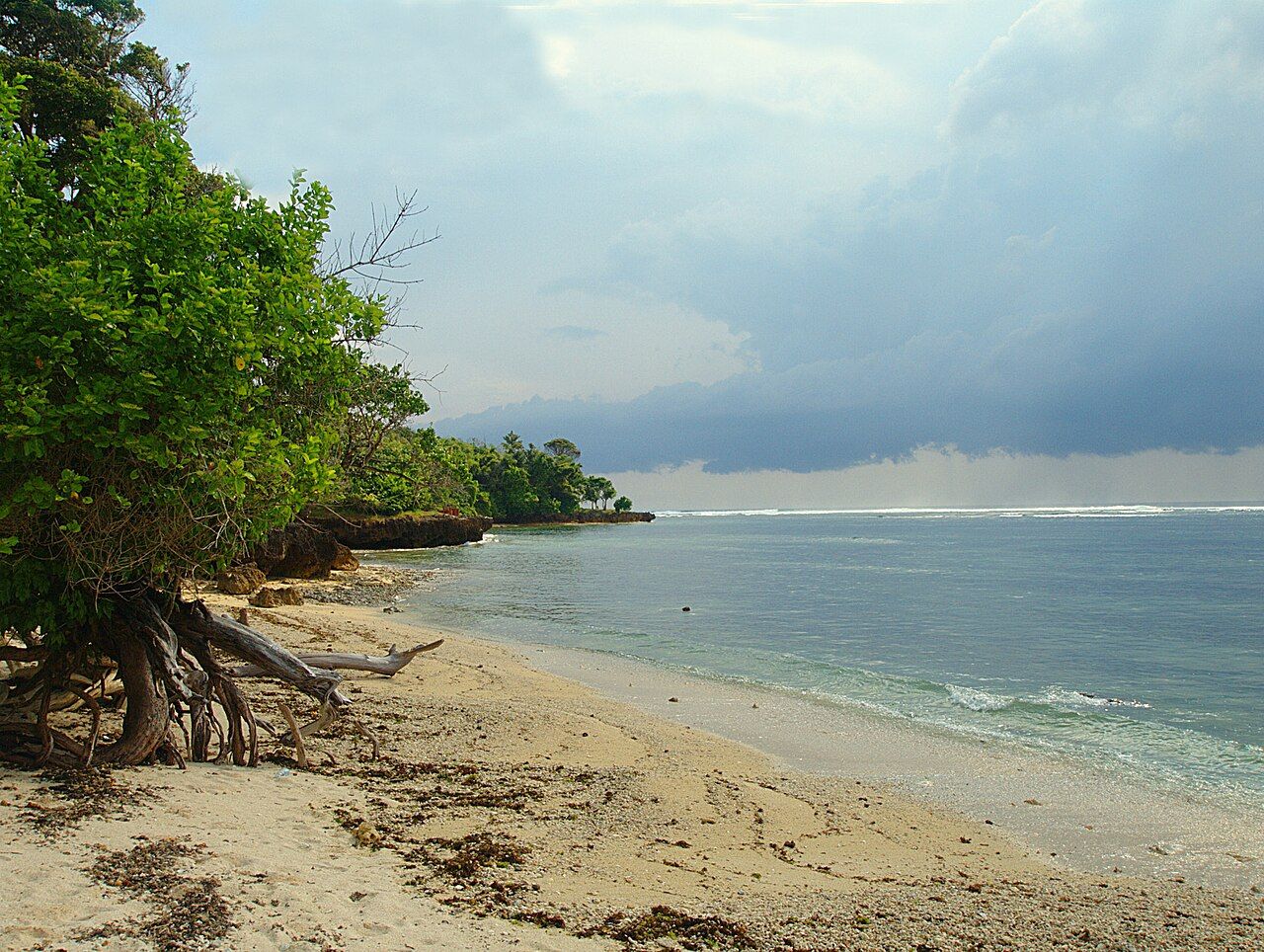
Alas Purwo's coastline runs for many kilometres along the peninsula, with long sandy beaches, rocky headlands and mangrove inlets. Some are easy to reach by road from the park entrance; others can only be reached on rough tracks or by boat.
Close to the entrance area, the shoreline is a long, straight run of sand backed by forest, with sea pandanus and twisted beach trees at the top of the beach. Further along, the coast breaks into coves and coral platforms where the swell explodes white against the rock. Early in the morning the sand is often marked with the tracks of crabs, monitor lizards and other animals that came down to the shore in the night.
On the same journeyRed Island beachThe beaches facing the Indian Ocean have strong waves and dangerous currents. Swimming is often unsafe, and there are no lifeguards. Paddle in calm shallows if you like, but do not go out into the surf unless you know what you are doing.
The wave at Plengkung
On the southeastern side of the peninsula lies Plengkung Bay, known to surfers around the world as G-Land. Here a long left-hand reef break peels along the edge of the forest, producing waves that can run for hundreds of metres and are considered among the best of their kind anywhere. It has been on the international surfing map since the 1970s.
The wave is at its best during the dry season, roughly from the middle of the year, when swells from the Indian Ocean roll in under steady winds. It breaks over shallow coral, and it is for experienced surfers only. Even skilled surfers are injured here, and medical help is a long way off.
Plengkung is remote. Most surfers reach it on organised trips, either by boat across the bay or along rough tracks through the park, and stay for several days. If you are not a surfer, the bay is still a striking place, but getting there takes time and planning.
The road south to Tegaldlimo
The park is reached from Banyuwangi by driving south through the towns and farmland of the regency to Tegaldlimo and the park entrance. The drive takes a couple of hours or more, depending on traffic and road conditions. Inside the park, roads are narrow and some sections are rough; conditions change, and after heavy rain some tracks may be impassable.
Entry fees, opening hours, rules on overnight stays and access to particular areas are set by the park authorities. Facilities are simple, and you should bring water, food and anything else you need.
Repellent, water and the monkeys
- Bring insect repellent, especially near the mangroves and in the forest.
- Carry plenty of water and sun protection.
- Do not swim in strong surf; currents on the ocean beaches are dangerous.
- Respect temples, caves and other sacred places.
- Keep food away from the monkeys.
Alas Purwo pairs well with a visit to Red Island beach farther west along the south coast, or with Meru Betiri, another wild national park on the same coast. For wildlife on the drier north coast, Baluran makes an interesting contrast. Allow more time than you think: this is a corner of Java that rewards an unhurried visit.
Photographers on the rim
- Ullasa Kodandaramaiah, CC BY-SA 3.0
- F. H. Panggabean, CC BY-SA 4.0
- Ullasa Kodandaramaiah, CC BY-SA 3.0